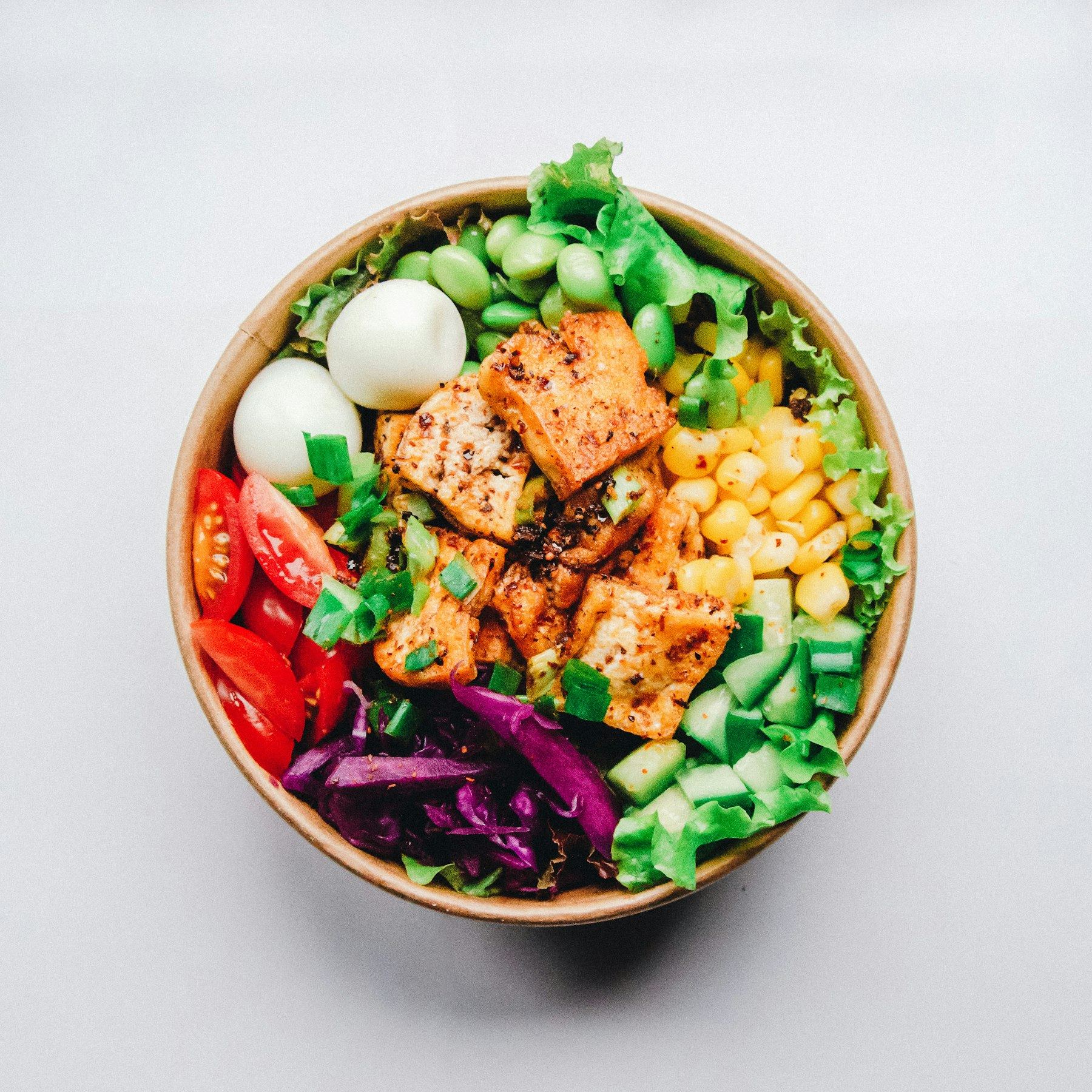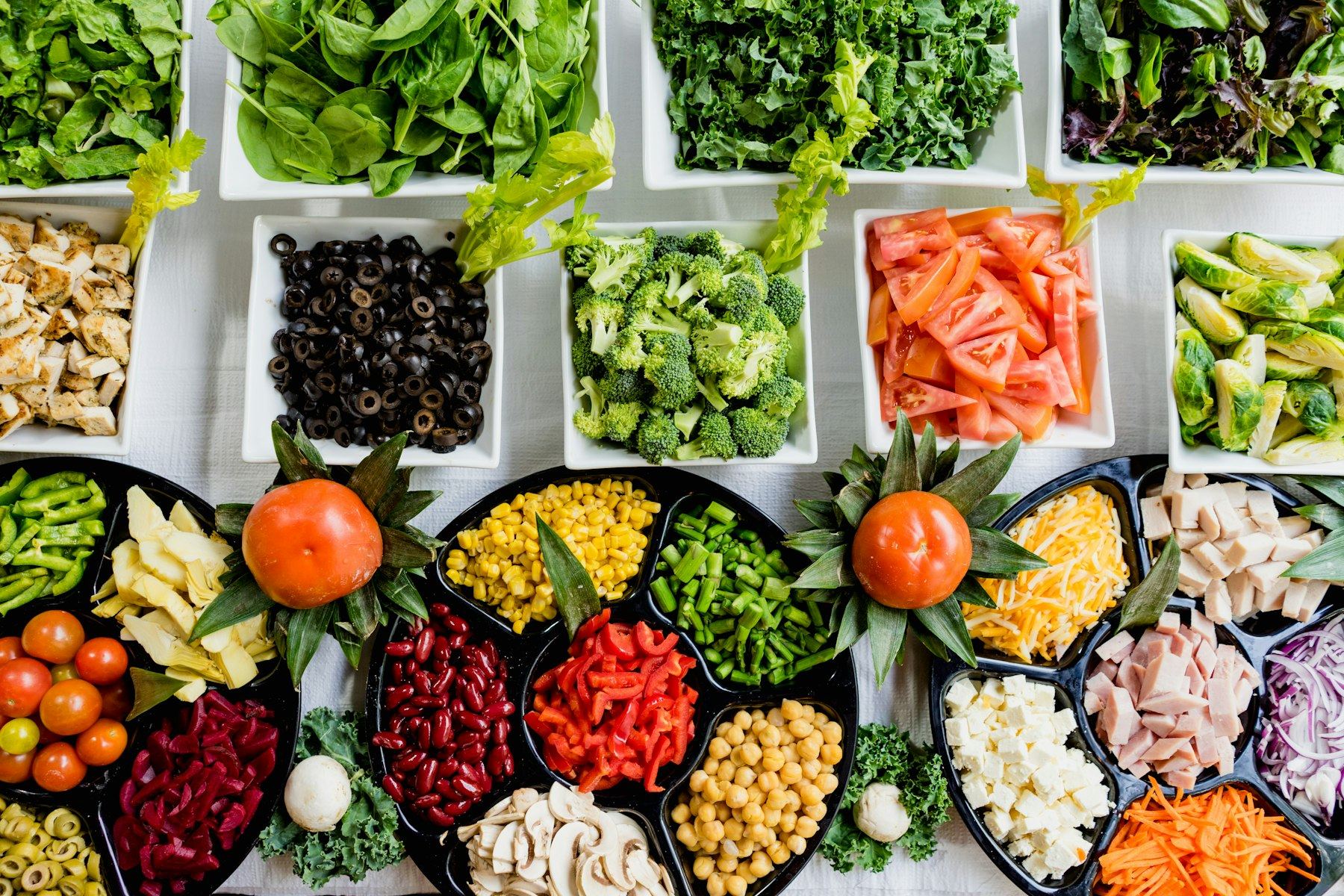
Portion cooked food into shallow, airtight containers, refrigerate within 2 hours, and keep the fridge at 40°F or below. Eat refrigerated meal prep within 3 to 4 days and freeze anything for later in the week. Reheat to 165°F.
Why storage matters as much as cooking
A good prep session can fall apart by Wednesday if the food sits out too long, cools slowly, or goes into the fridge uncovered. The USDA explains that bacteria grow fastest between 40°F and 140°F, so the goal of storage is simple: get cooked food cold quickly, keep it sealed, and eat it within a safe window. The method below works whether you prep five lunches or a full week of dinners.
What you need
- Airtight meal prep containers with lids that seal well
- A few shallow containers for soups, grains, and sauces
- Freezer safe containers or bags for anything past day four
- Labels or tape and a marker for cook dates
- A fridge thermometer so you know the shelf is at 40°F or colder
Step by step: how to store meal prep
- 01
Cook to a safe temperature.
The USDA lists 165°F for poultry, 160°F for ground meats, and 145°F with a three minute rest for whole cuts of beef, pork, lamb, and veal. Use a food thermometer.
- 02
Portion while warm, not hours later.
Divide food into individual containers right after cooking. Smaller portions cool much faster than one big pot.
- 03
Use shallow containers.
The USDA recommends dividing large amounts into shallow containers so food reaches 40°F as fast as possible. Slice large roasts into smaller pieces.
- 04
Refrigerate within two hours.
Hot food can go straight into the fridge. Do not leave it on the counter to cool all afternoon. On days above 90°F, the limit drops to one hour.
- 05
Seal everything.
Cover or seal each container. Airtight lids keep bacteria out, hold in moisture, and stop food from picking up fridge odors.
- 06
Label with the cook date.
Write the day you cooked, not the day you plan to eat it. Count forward from that date.
- 07
Split the week between fridge and freezer.
Keep the meals you will eat in the next three to four days in the fridge. Freeze the rest right away, then move each one to the fridge to thaw the night before.
- 08
Reheat to 165°F.
Cover the container, stir or rotate halfway, and check a few spots with a thermometer. Bring soups and sauces to a rolling boil.
Smart ways to organize the fridge
Put the meals you will eat first at the front and at eye level. Stack containers of the same size so they stay steady, and keep raw meat on the lowest shelf, away from cooked meals. Keep sauces and dressings in small separate containers so salads and crispy foods do not go soggy. Store cut fruit and crunchy vegetables like green beans separately from warm dishes until they are fully cool.
Common storage mistakes to avoid
Quick reference: storage basics
- Fridge temperature: 40°F or below
- Freezer temperature: 0°F or below
- Time on the counter: no more than 2 hours (1 hour above 90°F)
- Cooked leftovers in the fridge: 3 to 4 days
- Cooked leftovers in the freezer: about 3 to 4 months for best quality
- Reheat leftovers to: 165°F
- Thaw in the fridge, in cold water in a sealed bag, or in the microwave
Frequently asked questions
How long can meal prep sit out before going in the fridge?
No more than two hours after cooking, or one hour if the room or outdoor temperature is above 90°F, according to the USDA.
Can I put hot food straight into the fridge?
Yes. The USDA says hot food can go directly into the refrigerator. Splitting it into shallow containers first helps it cool faster.
How many days of meal prep can I keep in the fridge?
Most cooked leftovers keep 3 to 4 days in the fridge. Freeze anything you plan to eat after that.
Is it safe to freeze meal prep?
Yes. Food kept frozen at 0°F stays safe indefinitely, though quality slowly drops. For best taste, eat frozen cooked leftovers within about 3 to 4 months.
What is the best way to thaw frozen meal prep?
Thawing in the fridge overnight is the easiest safe method. Cold water in a sealed bag and the microwave also work, but cook or reheat right after.
Sources
- FoodSafety.gov, Cold Food Storage Chart
- USDA Food Safety and Inspection Service, Leftovers and Food Safety
This guide is general kitchen information only. It is not medical or nutrition advice.